Introduction: The Dawn of a Spiritual Giant
The world of historical dramas has long been dominated by the clashing of swords and the conquest of empires. However, the Turkish television industry, in collaboration with the visionary digital platform Tabii, has taken a courageous and soul-stirring leap into the realm of spiritual history. The release of “Hay Sultan,” localized for the Urdu-speaking audience as “Abdulkadir Geylani,” marks a significant shift in storytelling.
Episode 1 is not merely a pilot; it is an invitation to witness the life of Sheikh Abdulkadir Geylani, the “Ghaus-e-Azam,” whose influence on Islamic spirituality and the Qadiriyya Sufi order remains unparalleled for nearly a millennium. This article delves deep into the narrative, the historical context, and the sheer brilliance of the Urdu dubbing provided by Tabii.
The Historical Canvas: 12th Century Baghdad
To understand the weight of Episode 1, one must understand the era. The 12th century was a period of both immense intellectual growth and severe political instability in the Islamic world. The Great Seljuk Empire was facing internal fragmentations, and Baghdad, the “City of Peace,” was struggling under the weight of moral decay and social injustice.
The first episode masterfully sets this stage. We see a Baghdad that is beautiful yet wounded. It is into this chaotic environment that a young, serene, and intellectually formidable Abdulkadir Geylani arrives. The contrast is immediate: the city is loud and greedy, while Geylani is silent and content.
Plot Deep Dive: The Journey of the Heart
Episode 1 focuses on Geylani’s arrival and his initial observations. Unlike other heroes who enter a city to claim power, Geylani enters to claim truth. The episode highlights his refusal to bow down to worldly temptations.
Key Narrative Arcs in Episode 1:
- The Stranger in the City: Geylani’s first interactions with the locals of Baghdad serve as a mirror to society. Whether it is a merchant trying to cheat or a beggar seeking hope, Geylani’s reactions are rooted in the Quranic principles of justice and mercy.
- The Academic vs. The Spiritual: Baghdad was a hub of scholars. Episode 1 hints at the tension between those who only possess “bookish knowledge” and those who possess “Marifat” (spiritual recognition).
- The Hidden Threats: While the focus is on Geylani, the episode subtly introduces the political shadows—the assassins and the power-hungry officials who view spiritual leaders as a threat to their hegemony.
Tabii’s Contribution: The Power of Urdu Dubbing
The transition from “Hay Sultan” to “Abdulkadir Geylani” in Urdu is a masterclass in localization. Tabii has ensured that the Urdu dubbing is not just a literal translation but a cultural adaptation.
- The Vocabulary: The use of words like “Tawakkul”, “Sabr”, and “Ikhlas” resonates deeply with the Urdu-speaking audience, particularly in Pakistan and India where these terms are part of daily spiritual discourse.
- Voice Acting: The voice actor for Abdulkadir Geylani carries a weight of authority and gentleness. Every dialogue feels like a piece of advice (Nasiha) rather than just a script.
The Philosophy of Hay Sultan: Beyond the Screen
What sets this series apart from Dirilis: Ertugrul or Kurulus: Osman is its focus. While the aforementioned shows celebrate the “Ghazi” (warrior) spirit, Hay Sultan celebrates the “Wali” (saint) spirit.
Tasawwuf (Sufism) as a Central Theme:
Episode 1 introduces the concept of Nafs (the ego). Geylani’s struggle is not against an external crusader, but against the internal weaknesses of humanity. This makes the show highly relatable to modern viewers who are searching for mental peace and spiritual grounding in a materialistic world.
Technical Excellence: Aesthetics and Sound
The production value of Hay Sultan is world-class.
- Cinematography: The use of a “golden-hour” palette for the desert scenes and the cool, blue tones for the Sufi lodges creates a visual dichotomy between the harsh world and the peaceful sanctuary.
- The Soundtrack: The music is hauntingly beautiful. The use of the Ney (flute) and Duff provides a rhythmic heartbeat to the show, pulling the viewer into a meditative state.
- Set Design: The reconstruction of ancient Baghdad is detailed. From the architecture of the madrasas to the texture of the carpets, everything feels authentic to the 12th century.
Character Analysis: The Protagonist’s Aura
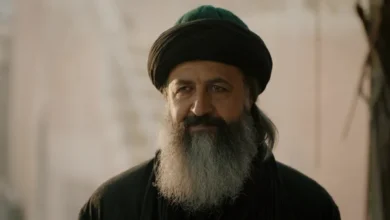
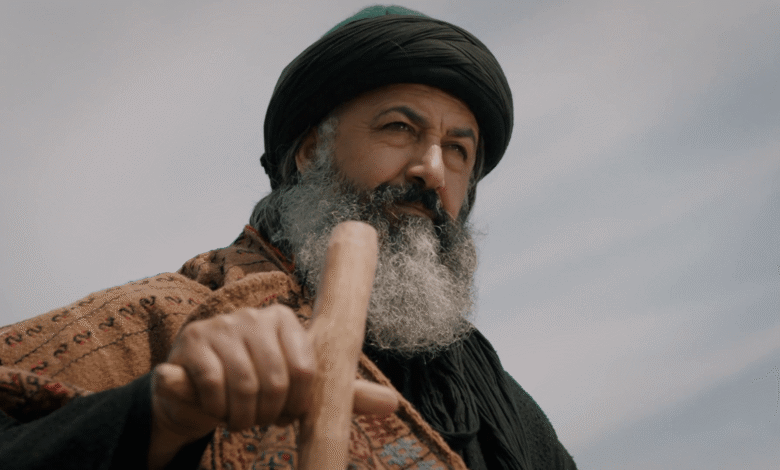
The portrayal of Abdulkadir Geylani by the lead actor is profound. He avoids the tropes of “over-dramatization.” Instead, he uses his eyes and calm body language to convey power. In Episode 1, he rarely raises his voice, yet he dominates every scene he is in. This is the essence of a true spiritual leader—strength through silence.
The Social Impact of the Series
In an era where Islam is often misrepresented, series like Abdulkadir Geylani provide a much-needed perspective on the intellectual and spiritual heritage of the faith. It shows that the greatest “Fath” (conquest) is the conquest of the heart. For the youth, this series serves as a bridge to their history, teaching them about the “Golden Age” through the lens of character-building rather than just battles.
What to Expect in Future Episodes?
Based on the groundwork laid in Episode 1, the series is headed toward:
- The establishment of the Qadiriyya order.
- Geylani’s deeper involvement in correcting the moral compass of the Seljuk leadership.
- The legendary miracles (Karamaat) associated with the Saint, though handled with historical sensitivity.
Final Verdict: Why You Must Watch It
Abdulkadir Geylani Episode 1 is a triumph of storytelling. It is slow-paced but deeply rewarding. It requires the viewer to listen, not just watch. Whether you are seeking historical knowledge or spiritual inspiration, this show is a treasure trove.
Ratings:
- Storytelling: 9.5/10
- Dubbing Quality: 10/10
- Historical Authenticity: 9/10
- Visuals: 9/10
Conclusion
In conclusion, Hay Sultan (Abdulkadir Geylani) is a landmark achievement for Tabii. By bringing the life of the King of Saints to our screens in Urdu, they have allowed us to reconnect with our roots. Episode 1 is just the beginning of a journey that will likely leave a lasting impact on your soul.
Watch Episode 1 Urdu Dubbed