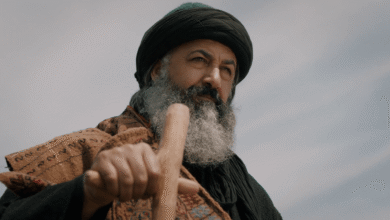
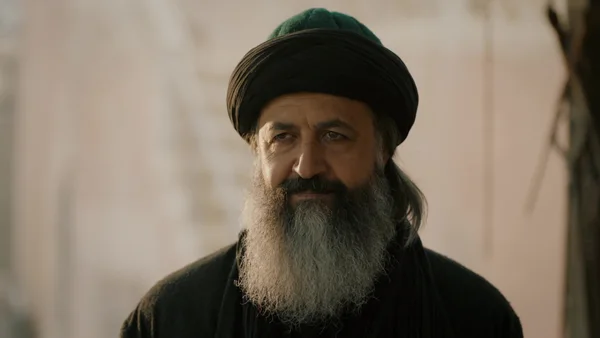
The historical drama Hay Sultan has captured the hearts of millions, particularly in its Urdu-dubbed version. It chronicles the life of one of the most influential figures in Islamic history: Sheikh Abdul Qadir Gilani, often referred to as Ghaus-e-Azam. While Episode 1 set the stage for his arrival in Baghdad, Episode 2 serves as the true catalyst for the narrative, blending themes of spiritual asceticism, social justice, and the chaotic political climate of the Great Seljuk era.
The Setting: Baghdad, the Heart of the World
Episode 2 opens by immersing the viewer in the atmospheric streets of 12th-century Baghdad. This isn’t just a backdrop; it’s a character in itself. Baghdad at this time was a city of contradictions—the global center of science and theology, yet riddled with internal strife, secret societies (like the Batiniyya), and a growing divide between the rich and the poor.
The Urdu dubbing exceptionally captures the “Adab” (etiquette) of the era. We see Abdul Qadir Gilani navigating this labyrinth. His presence is a stark contrast to the noise of the city; he represents the “Sultan of the Heart” entering a city obsessed with worldly power.
Key Plot Developments
The Struggle for Knowledge
In this episode, we see the young Abdul Qadir’s unwavering commitment to his education. Unlike a typical protagonist who seeks glory, his struggle is internal. He faces the harsh reality of being a student in a foreign land with no resources. The episode highlights his hunger—not just for food, which he often goes without, but for the “Marifa” (deep knowledge) of Allah.
The Encounter with the Oppressed
A significant portion of Episode 2 is dedicated to Abdul Qadir’s interaction with the common folk. There is a moving scene where he witnesses the injustice prevalent in the marketplaces. Even before he is recognized as a great scholar, his innate sense of justice shines through. He doesn’t just preach; he acts as a moral compass for those around him.
The Rise of the Antagonists
Every great story needs a shadow, and Episode 2 begins to flesh out the threats. We see the shadowy movements of the Batiniyya sect. Their presence creates a sense of tension, suggesting that Abdul Qadir’s journey won’t just be one of quiet meditation, but one of defending the core tenets of the faith against subversion.
The Character of Abdul Qadir Gilani
The portrayal of the Sheikh in this episode is masterfully understated. He is depicted not as a man of many words, but as a man of profound “Hal” (spiritual state).
- Patience (Sabr): We see him enduring cold and hunger with a smile. This is a crucial lesson for the audience: the path to spiritual “Sultanate” begins with the mastery of the self (Nafs).
- Humility: Despite his immense intellect, he approaches the scholars of Baghdad with the humility of a beginner.
- The Urdu Voice Acting: The Urdu dubbing adds a layer of “Ruhaniyat” (spirituality). The choice of words like Tawakkul (reliance on God) and Istiqamat (steadfastness) resonates deeply with the South Asian audience’s cultural understanding of Sufism.
Themes and Symbolism
The Concept of “Hay” (The Living)
The title Hay Sultan refers to the “Living Sultan.” Episode 2 explores the idea that true life is not found in physical breath, but in the remembrance of the Divine. Abdul Qadir is shown as someone who is “alive” in a city of “spiritually dead” people chasing gold and power.
Bread and Water vs. Divine Light
There is a recurring motif of physical sustenance. While others scramble for the best food in the markets, Abdul Qadir is content with the scraps or nothing at all. This symbolizes the transition from physical dependency to spiritual independence.
Historical Context: The Seljuk Era
To truly appreciate Episode 2, one must understand the political backdrop. The Seljuk Empire was the protector of the Abbasid Caliphate. However, corruption was seeping into the administration. The episode subtly hints at this decay. Abdul Qadir Gilani’s emergence is framed as a divine response to this chaos—a need for a spiritual revival (Tajdid) to save the soul of the Ummah.
Technical Brilliance: Why the Urdu Dubbing Works
The success of Hay Sultan in Pakistan and India is largely due to the quality of the translation.
- Terminology: The use of Persian and Arabic-rooted Urdu words makes the dialogue feel authentic to the 12th century.
- Pacing: The episode takes its time. In an era of fast-paced action, Episode 2 dares to be slow, focusing on the protagonist’s internal reflections.
- Cinematography: The use of light is symbolic. Abdul Qadir is often bathed in soft, natural light, while the dens of the conspirators are shrouded in shadows.
Lessons for the Modern Viewer
Why are people watching this in 2026? Episode 2 offers several timeless lessons:
- Integrity in Adversity: Abdul Qadir shows that your character is defined by how you act when you have nothing.
- The Pursuit of Truth: It encourages the youth to seek knowledge that transforms the heart, not just knowledge that gets a job.
- Social Responsibility: It reminds us that a spiritual person cannot be indifferent to the suffering of their neighbor.
Conclusion: A Prelude to Greatness
Episode 2 of Hay Sultan ends on a note of anticipation. Abdul Qadir has survived his first few days in the “Labyrinth of Baghdad.” He has kept his soul intact despite the temptations and the hardships. For the viewer, this episode is a “Tarbiyah” (training) session, preparing us for the miracles and the massive social shifts that the Ghaus-e-Azam will eventually bring about.
It isn’t just a drama; it’s a televised Tazkira (biography) that invites the viewer to look inward. As the credits roll in Urdu, the viewer is left with a sense of peace and a desire to see how this humble traveler becomes the “Sultan of the Saints.”
Hay Sultan Episode 2 With and Download Urdu Dubbed