
Ibn Sina (Season 1) Urdu Dubbed
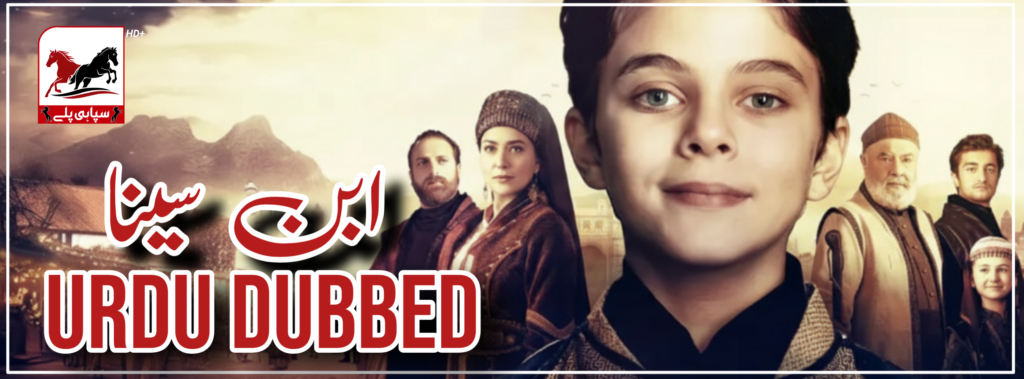
The resurgence of historical Turkish dramas in the Urdu-speaking world, primarily driven by the massive success of Diriliş: Ertuğrul, has paved the way for a more diverse range of storytelling. Moving beyond the battlefield, the TRT production “Küçük Dahi: İbn-i Sina” (translated as The Little Genius: Ibn Sina) offers a refreshing and intellectually stimulating shift. Season 1, now widely available in Urdu dubbed format, serves not just as entertainment but as a bridge connecting the modern youth to the “Golden Age of Islam.”
Introduction: Reviving the Golden Age
Ibn Sina, known to the West as Avicenna, is perhaps the most influential philosopher-scientist of the pre-modern era. While history books often present him as a finished product—a master of medicine and logic—this series takes a unique approach by focusing on his childhood.
The Urdu dubbed version has made this masterpiece accessible to millions in Pakistan, India, and the diaspora, allowing families to witness the formative years of a mind that would later write The Canon of Medicine. The series isn’t just a biography; it is a visual exploration of curiosity, parenting, and the pursuit of truth in 10th-century Bukhara.
Narrative Arc: From Curiosity to Discovery
Season 1 is structured around the insatiable curiosity of young Ibn Sina. Unlike typical dramas that rely on high-octane action, the “action” here is intellectual.
The Child Prodigy
The plot follows young Sina as he navigates the vibrant streets of Bukhara. Every episode is a lesson in observation. Whether he is questioning the movement of stars, the properties of herbs, or the logic of Aristotelian philosophy, the narrative emphasizes that genius is not just born—it is nurtured.
Conflict and Stakes
The drama introduces subtle but effective conflicts. From the skepticism of local traditionalists to the political pressures on his father (who was a high-ranking official), the show balances domestic warmth with external challenges. The Urdu dubbing captures these tensions perfectly, using a formal yet accessible dialect that mirrors the intellectual atmosphere of the Samanid Empire.
Character Analysis: The Heart of the Series
Young Ibn Sina
The child actor delivers a powerhouse performance. He portrays Sina not as an arrogant “know-it-all,” but as a humble student of nature. His wide-eyed wonder at the world is infectious.
The Father (Abdullah)
The relationship between Sina and his father is a highlight. Abdullah is portrayed as a visionary parent who recognizes his son’s potential but strives to keep him grounded. In the Urdu version, the dialogues regarding “Tarbiyat” (upbringing) resonate deeply with South Asian cultural values.
The Mentors
The series introduces various scholars and teachers who challenge Sina. These interactions highlight the importance of the “Ustad-Shagird” (Teacher-Student) relationship, a cornerstone of Islamic civilization that is beautifully translated into Urdu.
Production Quality and Visuals
For a television series, the production values are exceptionally high.
- The Setting: The recreation of ancient Bukhara is stunning. From the bustling bazaars to the serene libraries filled with parchment and ink, the set design immerses the viewer in a bygone era.
- Cinematography: The use of warm, golden hues (as seen in the posters) evokes a sense of nostalgia and enlightenment. The lighting often mirrors the “light of knowledge” that Sina is chasing.
- Costumes: The attention to detail in the Samanid-era attire provides an authentic historical texture that sets it apart from more “fictionalized” period dramas.
The Urdu Dubbing: A Cultural Bridge
The quality of Urdu dubbing can make or break a Turkish show. For Ibn-i Sina, the dubbing is top-tier.
- Language Choice: The translators have opted for a “Shusta” (refined) Urdu. Using terms like Mantiq (Logic), Hikmat (Wisdom), and Falsafa (Philosophy) ensures that the essence of the original script is preserved while enriching the vocabulary of the Urdu audience.
- Voice Acting: The voice cast has done a brilliant job of matching the emotional cues of the original actors. The voice of young Sina, in particular, manages to sound inquisitive and innocent simultaneously.
Educational Value: More Than Just a Show
One of the strongest arguments for watching this series is its educational merit. In an era of “fast-paced” content, Ibn-i Sina encourages slow thinking.
- Scientific Principles: The show explains early concepts of chemistry, physics, and medicine in a way that children can understand.
- Ethical Foundations: It places a heavy emphasis on the ethics of knowledge. It teaches that science without morality is dangerous—a lesson very relevant in today’s AI and tech-driven world.
- Historical Literacy: Most viewers know the name “Ibn Sina,” but few know the world he lived in. This series brings the Samanid Empire to life, showing a society that valued books as much as gold.
Themes of Faith and Reason
A recurring theme in Season 1 is the harmony between faith and reason. The series portrays Ibn Sina’s scientific inquiries as a way to understand the Creator’s handiwork. This perspective is particularly appreciated in the Urdu-speaking world, where the integration of spiritual and worldly knowledge is a deeply held ideal.
Why it Works for a Global Urdu Audience
The series fills a massive gap in Urdu programming. While there are many “Saas-Bahu” (domestic) dramas, there is a lack of high-quality content for children and young adults that is both entertaining and culturally grounded. Ibn-i Sina provides a hero who isn’t a warrior with a sword, but a scholar with a pen. This shift in the “hero archetype” is a vital contribution to the cultural landscape.
Critical Reception and Impact
Critics have praised the show for its pacing. While some might find it “slow” compared to Kuruluş: Osman, the deliberate pace is necessary to mirror the process of scientific discovery. The impact is visible in how young viewers are reacting—social media trends show a renewed interest in history and science among kids who watch the Urdu dubbed episodes.
Conclusion: A Must-Watch Masterpiece
Season 1 of Ibn-i Sina in Urdu is a triumph. It succeeds in humanizing a historical giant, making his journey relatable to a child in Lahore or Delhi today. It is a story of how a small boy with big questions changed the world forever.
Ibn Sina Season 1 Urdu Dubbed All Episodes
The series reminds us that the greatest empire is the empire of the mind, and the sharpest weapon is the pursuit of truth. Whether you are a student of history, a parent looking for wholesome content, or simply a fan of high-quality drama, this show is an essential watch.