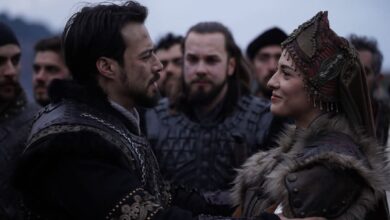
Sultan Mehmed: Fetihler Sultanı – Season 3: The Ultimate Saga of Conquest and Legacy

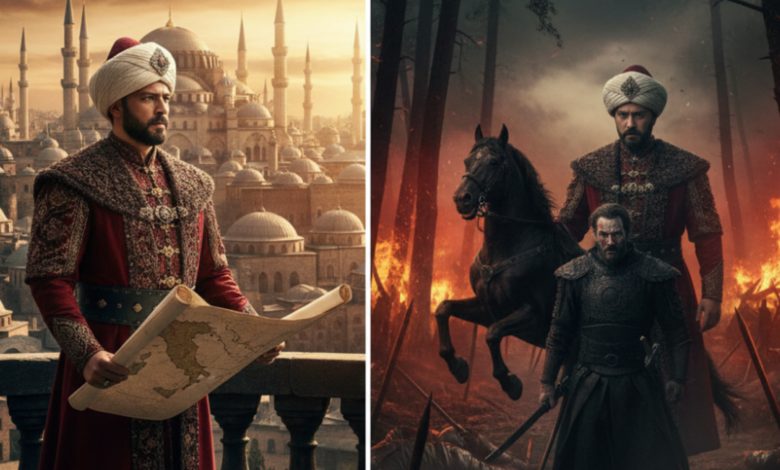
Introduction: Beyond the Conquest of Constantinople
The third season of “Sultan Mehmed: Fetihler Sultanı” is not just a television series; it is a cinematic journey into the soul of one of history’s greatest visionaries. After the historic fall of Constantinople, many believed the story of Mehmed II had reached its peak. However, Season 3 proves that the conquest of the city was merely the opening act. This season explores the transformation of a young Sultan into the “Kayser-i Rum” (Caesar of Rome), a title that signifies his ambition to unite the shattered remnants of the Roman Empire under the banner of Islam. As we step into 2026, the global interest in Ottoman history continues to soar, and Sipahi Play is proud to bring you the most detailed insights into this epic production.
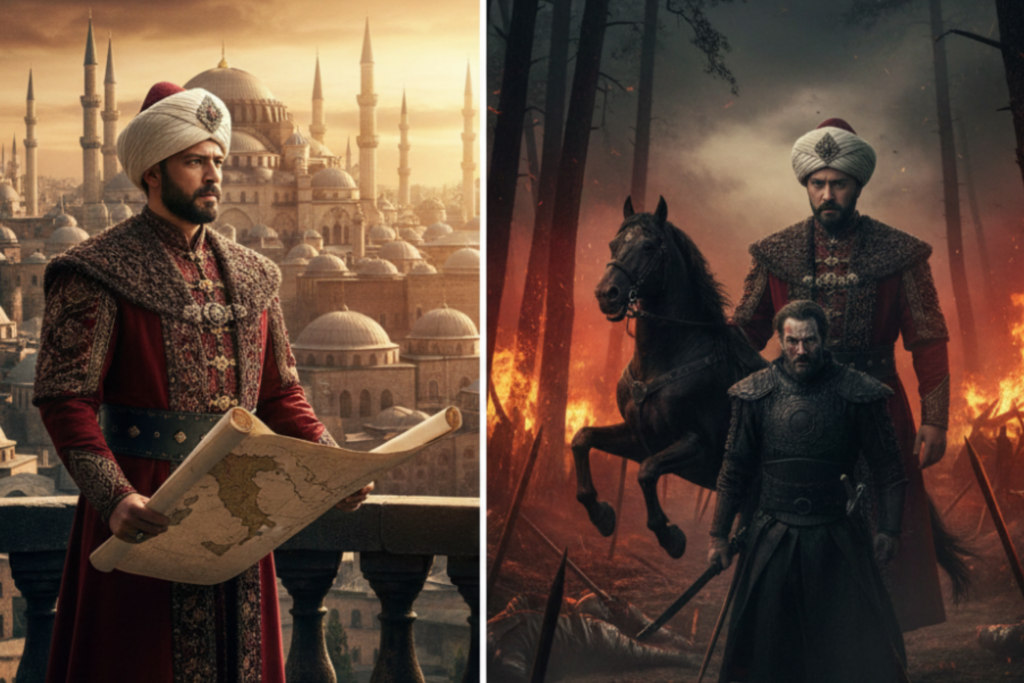
The Master at Work: Serkan Çayoğlu as Sultan Mehmed
At the center of this whirlwind of history is Serkan Çayoğlu, whose portrayal of Sultan Mehmed II has redefined the character for modern audiences. In Season 3, Serkan moves away from the raw, fiery energy of youth to a more calculated, stoic, and intellectual form of leadership. We see him in his private chambers, surrounded by maps of Italy and ancient Greek manuscripts. This season highlights the Sultan’s mastery of science and languages, showing that his sword was always guided by his brilliant mind. Serkan’s performance captures the immense burden of the crown—the loneliness of a man who sees centuries ahead of his contemporaries.
The Cast: The Pillars of the Empire
A great Sultan is only as strong as his council, and the cast of Season 3 delivers powerhouse performances:
- Selim Bayraktar: Although his character Çandarlı Halil Pasha left a lasting legacy, the political vacuum he left is filled by new rivalries.
- Tuba Ünsal as Mara Hatun: The “Step-Mother” of the Sultan continues to be a pivotal diplomatic figure. Her role as a mediator between the East and the West provides some of the most intense dialogue-driven scenes in the season.
- The Commanders: Characters like Gedik Ahmed Pasha and Zaganoş Pasha are given more screen time, showcasing the military hierarchy and the fierce loyalty required to expand the empire’s borders into Europe.
The Wallachian Nightmare: The Conflict with Vlad the Impaler
One of the most gripping arcs of Season 3 is the dark and bloody confrontation with Vlad III, known to the world as Dracula. The season explores the complex childhood bond between Mehmed and Vlad, who were raised together in the Ottoman court. This makes the betrayal all the more painful. The cinematography during the “Night Attack” in Wallachia is haunting. The forest of impaled soldiers and the psychological warfare used by Vlad test Mehmed’s resolve like never before. The eventually triumphant Sultan replaces Vlad with his brother, Radu the Handsome, showcasing Mehmed’s strategic use of family dynamics to secure the Ottoman borders.
The Battle of Otlukbeli: Securing the East
While the Sultan’s eyes are set on Rome, a massive threat arises from the East—Uzun Hasan, leader of the Akkoyunlu Turkmens. Season 3 meticulously builds up to the Battle of Otlukbeli (1473). This is a clash of titans. Uzun Hasan represents the old-world Mongol-Turkic cavalry tradition, while Mehmed represents the new world of gunpowder and organized infantry. The scenes featuring the Ottoman “Topçu Ocağı” (Artillery Corps) are breathtaking, demonstrating how Mehmed’s embrace of modern technology gave him the edge over his rivals.
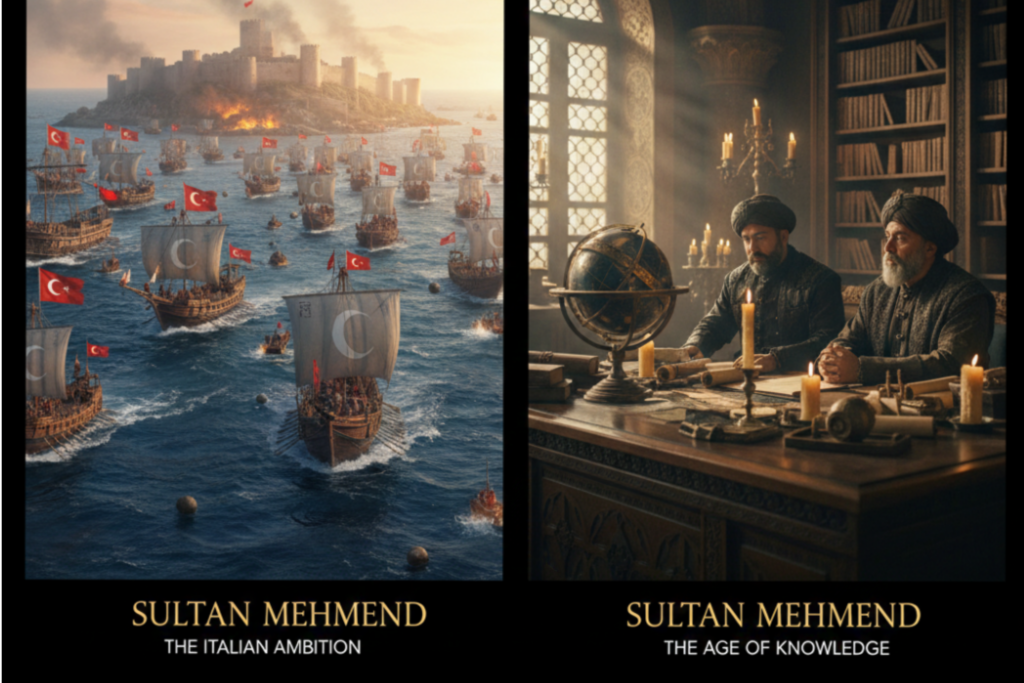
The Italian Dream: The Otranto Expedition
The climax of the season is undoubtedly the landing at Otranto. Under the command of Gedik Ahmed Pasha, the Ottoman fleet crosses the Adriatic Sea, striking terror into the heart of the Vatican. This arc is portrayed with high-stakes tension. We see the panic of the Italian city-states and the Pope’s desperate calls for a new Crusade. For Mehmed, Otranto was the gateway to Rome, the “Red Apple” of the West. The season captures the logistical brilliance of the Ottoman navy and the Sultan’s daring gamble to conquer the seat of the Catholic Church.
The Intellectual Renaissance in Istanbul
Season 3 also shines a light on Istanbul’s transformation into a global hub of science and art. The arrival of the legendary mathematician and astronomer Ali Qushji from Samarkand is a highlight. The Sultan and the scholar are seen debating the laws of the universe, proving that the Ottoman Empire was not just built on conquest but on the pursuit of knowledge. The construction of the Sahn-ı Seman Medrese and the Fatih Mosque complex serves as the backdrop to this cultural revolution.
The Shadow of Succession: Bayezid vs. Cem
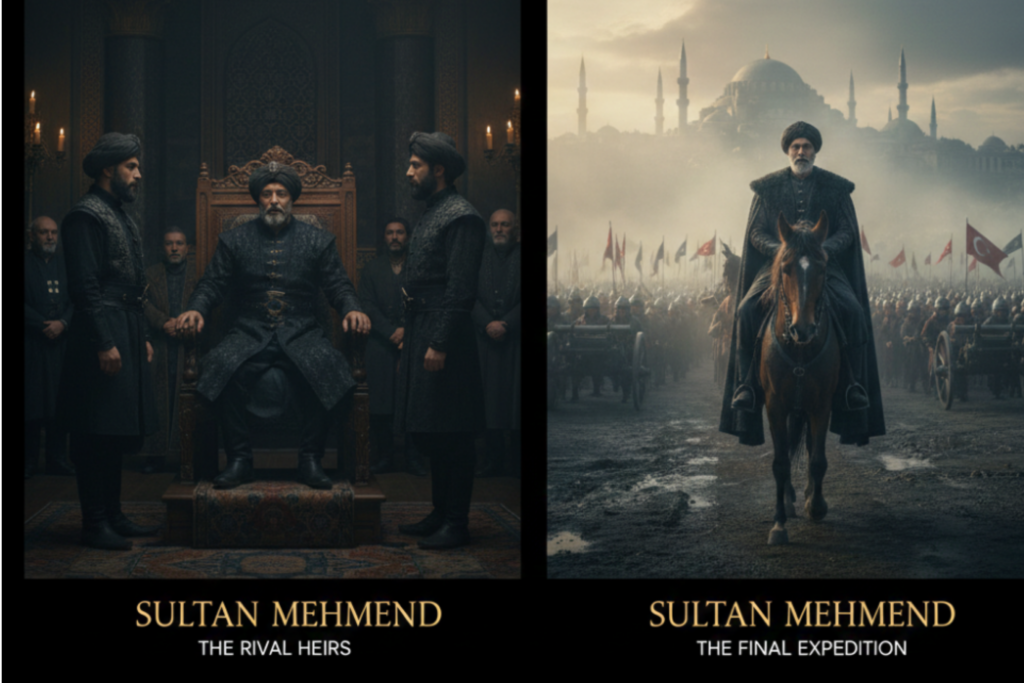
As the Sultan grows older, the inevitable question of succession begins to haunt the palace. The rivalry between Prince Bayezid and Prince Cem is a major subplot. The audience sees two very different futures for the empire: Bayezid, the cautious and spiritual scholar, and Cem, the ambitious and energetic warrior who reminds everyone of a young Mehmed. The palace conspiracies, led by various viziers and the Harem, create a “Game of Thrones” atmosphere that keeps the viewers on the edge of their seats.
The Siege of Rhodes and Naval Setbacks
History is a teacher of patience, and Season 3 doesn’t shy away from Mehmed’s struggles. The failed Siege of Rhodes against the Knights Hospitaller is a pivotal moment. It shows the limitations of even the most powerful army and the resilience of the Sultan in the face of defeat. This arc humanizes Mehmed, showing his frustration and his ability to analyze his mistakes to prepare for future victories.
The Legal Legacy: The Kanunname
One of the most important aspects of the season is the drafting of the Kanunname-i Âl-i Osman. Mehmed is shown working late into the night with jurists to centralize the state’s power. This legal reform was revolutionary, as it moved the empire away from tribal traditions toward a structured, bureaucratic state. This part of the story is essential for understanding how the Ottoman Empire survived for 600 years.
The Final Journey: The Death of a Lion
The season nears its conclusion with the Sultan’s declining health. Despite his illness, he prepares for one last grand expedition—the “Sefer-i Hümayun.” The destination remains a secret, adding a layer of mystery and legend to his final days. The finale is a moving tribute to a man who changed the world map forever. As the screen fades to black, the legacy of Fatih Sultan Mehmed stands tall, bridging the gap between the Middle Ages and the Renaissance.
Conclusion: Why You Must Watch on Sipahi Play
Season 3 of “Sultan Mehmed: Fetihler Sultanı” is a masterpiece of storytelling, blending historical accuracy with high-octane drama. At Sipahiplay.net, we are committed to providing you with the best viewing experience, complete with accurate Urdu subtitles that capture the poetic depth of the original Turkish dialogue. This season is not just about wars; it’s about the vision of a man who believed that the world belongs to those who dare to dream.