

The landscape of historical television has undergone a massive transformation over the last decade, with Turkish productions leading the charge in blending spirituality with high-stakes drama. Among these gems is the soul-stirring series Vefa Sultan (originally titled Aziz Mahmud Hüdayi: Aşkın Yolculuğu). Episode 31, especially as it reaches the Urdu-speaking audience through high-quality translations, stands as a monumental chapter in the protagonist’s journey from a worldly judge to a spiritual luminary. Vefa Sultan Episode 31 Subtitle
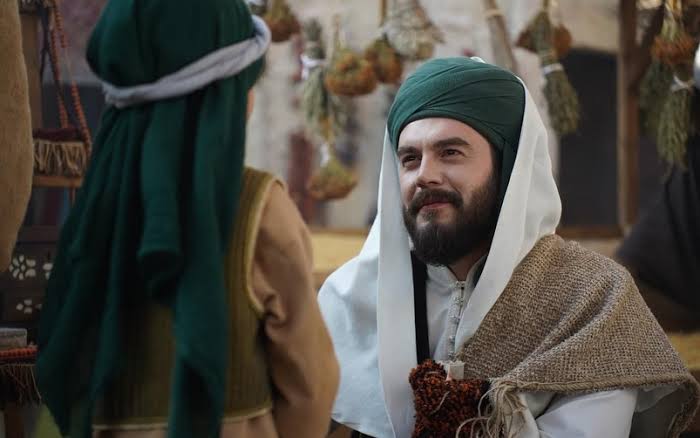
In this review, we delve deep into the thematic resonance, character development, and the profound lessons of humility showcased in this particular episode. Vefa Sultan Episode 31 Subtitle
1. The Narrative Arc: From Authority to Submission
Episode 31 serves as a pivotal bridge in the narrative. For the uninitiated, the series follows the life of Mahmud, a respected and high-ranking Qadi (Judge) of Bursa. However, his life takes a radical turn when he encounters the spiritual master Üftade Hazretleri. Vefa Sultan Episode 31 Subtitle
In Episode 31, we see the physical and mental toll of this transformation. Mahmud is no longer the man in the silk robes deciding the fates of criminals; he is a seeker (Murid) undergoing the grueling process of “killing the ego” (Nafs). The Urdu subtitles capture the poetic essence of his internal struggle, translating the complex Sufi terminology into a language that resonates with the South Asian tradition of Tasawwuf. Vefa Sultan Episode 31 Subtitle
2. Key Plot Points of Episode 31
While avoiding spoilers for those who haven’t pressed play, several key movements define this episode: Vefa Sultan Episode 31 Subtitle
The Test of the Broom and the Staff
One of the most iconic scenes in this chapter involves Mahmud’s interaction with his fellow dervishes regarding his tasks at the Dergeh (Sufi lodge). The symbolism of the Metka (staff) and the broom is central here. Mahmud is tasked with menial labor—a direct affront to his former social status. Episode 31 masterfully portrays his struggle not with the work itself, but with the remnants of his pride.
The Mystery of the “Green Branch”
The dialogue between Mahmud and the Sheikh regarding the “dry” versus “green” branch is a masterclass in metaphorical storytelling. The Sheikh’s insistence that a seeker must be like a dry branch—hollowed out and ready to be shaped by the Divine—is a recurring theme that reaches a climax in this episode. Vefa Sultan Episode 31 Subtitle
The Political Undercurrents
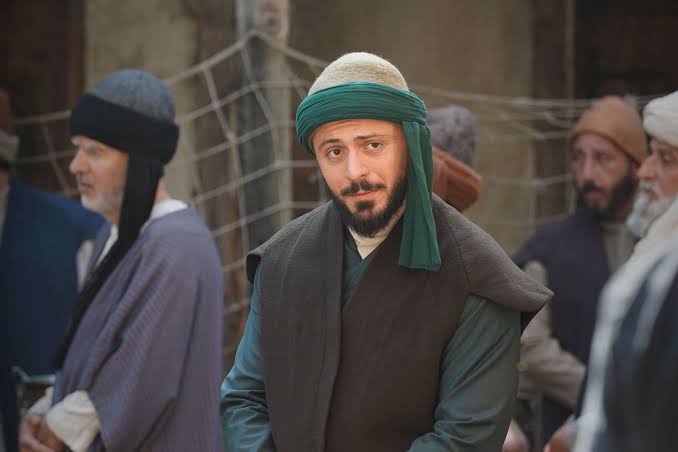
While the spiritual journey is central, the series does not ignore the political reality of the Ottoman era. The subplot involving Zülfikar and the corrupt tax collectors provides a necessary tension. It reminds the audience that spirituality does not exist in a vacuum; it must confront the injustices of the world.
Thematic Analysis: The Death of the Ego
The core theme of Episode 31 is Mahw (Annihilation). In the Sufi tradition, the greatest barrier between man and Creator is the “I.”
Mahmud’s journey is painful. The episode highlights that transition is not instantaneous. We see him falter, we see him question, and we see him endure the mockery of his former peers. This “social death” is a prerequisite for his spiritual rebirth. The Urdu translation beautifully renders the concept of Sabr (patience) and Shukr (gratitude), making the philosophical weight of the show accessible to a global audience.
Performance and Direction
Rüzgar Aksoy, who portrays Mahmud, delivers a powerhouse performance. In Episode 31, his body language has shifted. His shoulders, once squared with the weight of legal authority, are now slightly slumped in a gesture of constant prayer and humility. His eyes convey a mixture of exhaustion and divine “Aşk” (Love).
The cinematography remains grounded and earthy. Unlike the flashy battles of Diriliş: Ertuğrul, Vefa Sultan uses soft lighting, the crackle of a fire, and the silent corridors of the lodge to create an atmosphere of introspection. The director focuses on close-ups during the Sheikh’s discourses, forcing the audience to listen as much as they watch.
Why the Urdu Version is Impacting the Subcontinent
The arrival of Vefa Sultan Episode 31 in Urdu is more than just a media event; it is a cultural one. The Indian subcontinent has a thousand-year history with Sufi saints like Moinuddin Chishti and Nizamuddin Auliya.
When Urdu-speaking viewers watch Mahmud sell liver in the streets of Bursa (an act of extreme humility), they are reminded of the stories they grew up with. The Urdu subtitles often use Persian-rooted words like Ishq, Fana, and Darvesh, which carry a much deeper emotional weight for Pakistani and Indian viewers than the English equivalents.
Symbolism in Episode 31
- The Well: Often mentioned in the dialogue of this episode, the well represents the depth of the soul and the darkness one must navigate before finding light.
- The Cloak: The transition from the Judge’s robes to the Dervish’s simple cloak is a visual representation of shedding the world.
- The Fire: Used both literally in the kitchen and metaphorically in the heart, fire represents the purification process.
Critiquing the Pacing
If there is one critique for the casual viewer, it is that Episode 31 moves at a “meditative” pace. This isn’t an action-packed episode. It is a slow burn. The dialogue is dense and requires full attention. However, for the target audience seeking spiritual nourishment, this slow pacing is a strength, not a weakness. It allows the lessons to sink in.
The Soundtrack: A Spiritual Anchor
The use of the Ney (flute) and the rhythmic beating of the Daf in the background of Episode 31 heightens the emotional stakes. The music acts as a bridge between scenes, maintaining a sense of “Dhikr” (remembrance) throughout the viewing experience.
Historical Accuracy and Legacy
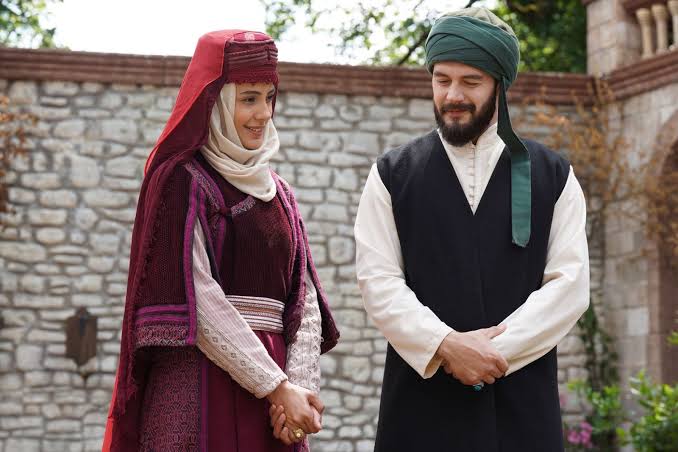
While the show takes creative liberties to enhance the drama, the essence of Aziz Mahmud Hüdayi’s life is preserved. He was indeed a judge who gave it all up for a life of poverty and service. Episode 31 accurately reflects the rigorous training methods used in 16th-century Ottoman lodges to train the next generation of spiritual leaders.
Conclusion: A Lesson for the Modern Age
Vefa Sultan Episode 31 is a poignant reminder that true power lies not in controlling others, but in controlling oneself. In an age of narcissism and social media “clout,” Mahmud’s struggle to embrace insignificance is a radical and necessary narrative.
Whether you are watching for historical interest or spiritual growth, this episode stands as one of the finest hours of Turkish television. It is a visual poem about the beauty of the broken heart.
Watch Now And Download Vefa Sultan Episode 31

